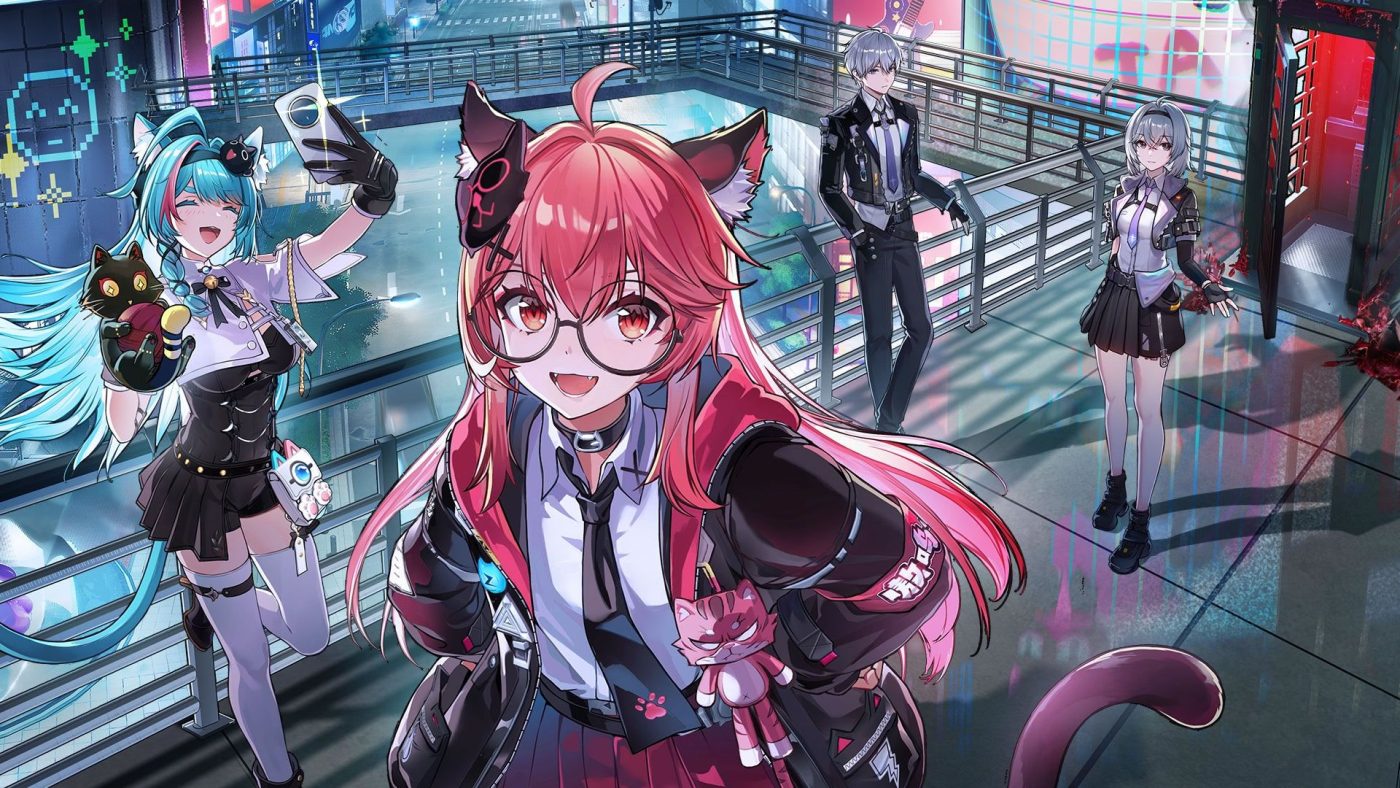

Most open worlds are wide, beige, and technically filling. Hotta Studio tossed that blueprint. Neverness to Everness promised slick action—but the real payload was a city compressed from Japanese pop culture, delivered with a wink so obvious it became a nod.
The Japanese community clocked it inside the opening hour. Not because they were hunting. Because Hotta barely hid them.
The References
- Your Name — those stairs

- Steins;Gate — alleys humming with temporal déjà vu
- Garden of Words — a terrace soaked in rain and longing
- Doraemon — chaotic suburban architecture
- Shin-chan — the bread-shaped house
- Initial D — mountain roads like a tofu driver’s nightmare
- The Exit 8
- Fuji TV building, Odaiba
- Shibuya 109
- Shibuya scramble crossing
- Glico Man, Osaka
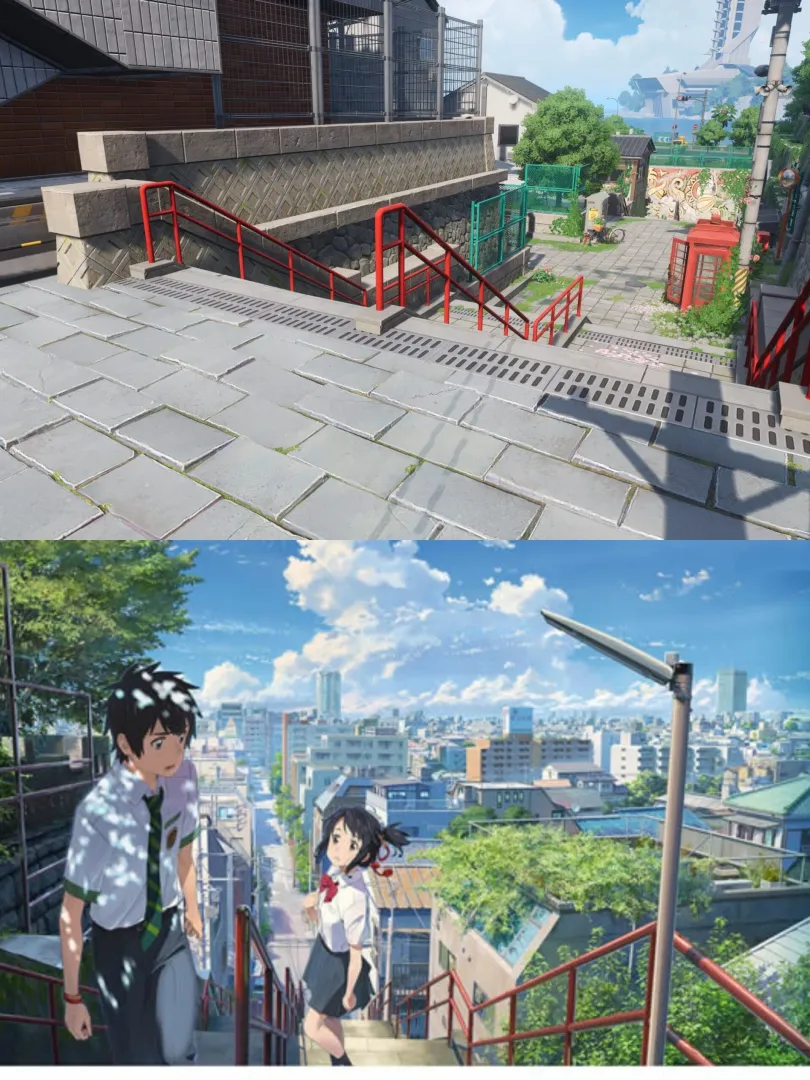
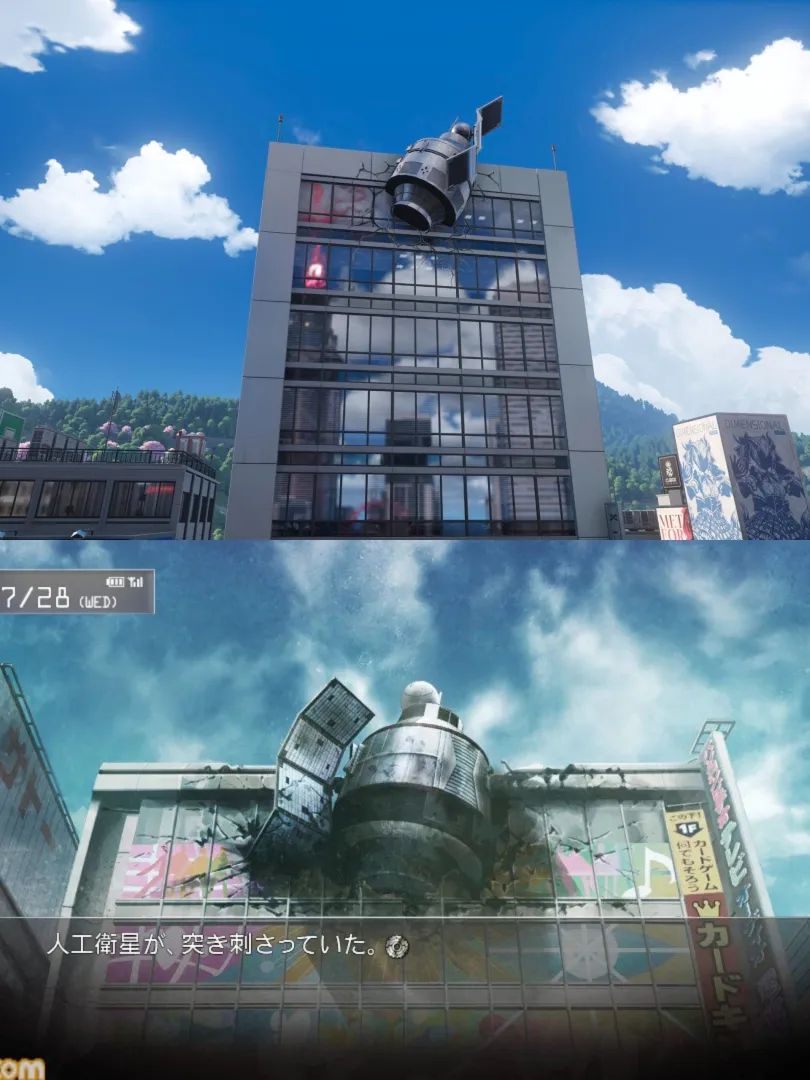

Tactical Resonance
The lazy critique calls this a deficit of imagination. It is, politely, utter rot.
Hotta understood that modern players aren’t starving for raw novelty—they’re starving to feel fluent. Originality is expensive and often lonely. Recognition is warm, social, and immediate.
You don’t need a quest marker when your childhood does the navigation. That’s not plagiarism. That’s fluency.
The internet didn’t riot. It brought a clipboard. Forums lit up with side-by-side evidence threads, architectural line-ups, collaborative pedantry. Instead of cloning accusations, Hotta earned a tip of the hat.
Two Audiences, One Map
Veterans pilgrimage to every pixel-perfect stairwell. Casual players enjoy a city that feels authentically lived-in. Zero friction.
When a community spends its launch week archiving screenshots instead of speed-running combat—what does that reveal about where genuine engagement lives?
If loving homage repeatedly outperforms cold invention, should more studios start treating players’ memories as the real terrain to be mapped?





Leave a Comment