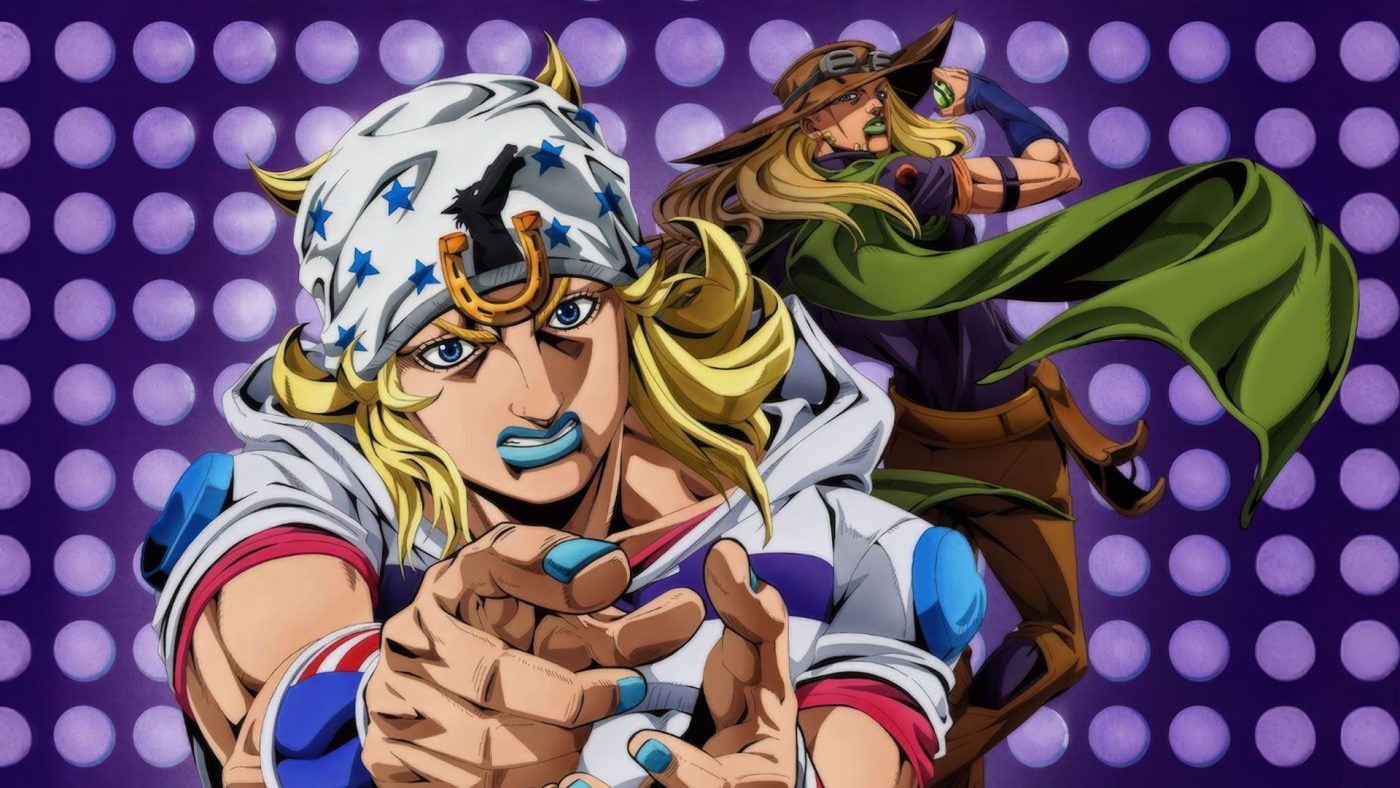

Here’s something you don’t see every day: Netflix voluntarily tightening its own leash.
The streaming giant—famous for training us all to mainline entire seasons in a single bleary-eyed weekend—has announced that the second stage of JoJo’s Bizarre Adventure: Steel Ball Run will arrive in autumn 2026.
But there’s a twist. The episodes will drip out one per week. No binge option. No “watch all twelve before Monday morning catches you.”
Thank you for all the incredible support for STEEL BALL RUN JoJo’s Bizarre Adventure. The series is currently in production and will be available for everyone to enjoy. We are planning a split‑cour release across the entire run of episodes. The next cour (2nd STAGE) will begin…
— Netflix Anime (@NetflixAnime) April 6, 2026
The Strategy Behind the Slow Bleed
Netflix dropped the first stage this past March—a forty-seven-minute prologue that served as an elegant handshake to the series.
Now they’ve confirmed the weekly cadence wasn’t some algorithmic afterthought. The production team wanted it this way from the jump.
There’s a certain respect in that decision. The creators understand something the algorithm doesn’t: some stories aren’t meant to be hoovered up like a packet of crisps. They’re meant to be chewed.
The weekly release forces viewers to sit with each chapter, to actually absorb the narrative architecture before barrelling into the next crisis.
The Race Itself
For the uninitiated, Steel Ball Run ditches the urban sprawl of previous JoJo instalments for something altogether stranger: an alternate-history 1890s North America.
- A transcontinental horse race with a multimillion-dollar prize
- Survival odds that make the Hunger Games look like a school sports day
- Johnny Joestar — once a riding prodigy, now paralyzed from the waist down
- Gyro Zeppeli — a mysterious contender who wields spinning steel spheres
They’re not just racing distance. They’re racing through the Devil’s Palm—a stretch of cursed territory where supernatural abilities manifest with increasing brutality.
Every rider becomes predator and prey simultaneously. The body count, if the manga is anything to go by, will not be modest.
A major platform accepting a slower distribution model in service of narrative impact. A Japanese studio trusting its audience to show up weekly.
Does the weekly format genuinely deepen engagement, or are we simply being romantic about an old broadcasting habit?
Will this experiment encourage other creators to demand similar treatment, or is JoJo too niche a case to set precedent?
And perhaps the quieter question—when did we start treating stories as content to be “cleared” rather than experiences to be lived?



Leave a Comment