

Sometimes the industry actually listens. Remarkable, really.
The grand tradition of gender-bending school comedies isn’t packing its bags anytime soon. Minutes after the twelfth episode wrapped, the production committee confirmed what devoted viewers had been hoping for: a second season is officially in motion. No drawn-out ambiguity, no six-month silence treatment—just a straight answer. A dying breed in this business, frankly.
The first season arrived in with a fairly simple strategy that apparently worked: respect the source material. Not exactly revolutionary, yet somehow radical in an era where adaptations frequently treat their originals as loose suggestions. The result was a Winter season standout that resonated with audiences who still remember what made shojo’s golden era worth remembering.
Specifics remain cagey, naturally. Release windows, casting additions—all under wraps. The producers have confirmed narrative continuity without dramatically reconfiguring the technical scaffolding, which suggests they understand a fundamental truth: if audiences responded to what you delivered, perhaps consider delivering more of it. Groundbreaking stuff.
The proposition
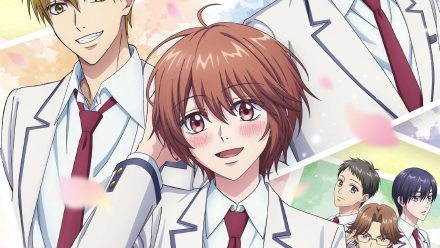
Mizuki Ashiya, a Japanese-American teenager with competitive instincts and questionable judgment, decides the logical response to admiring a high jumper named Izumi Sano is to:
- Uproot her life
- Move to Japan
- Enrol at his school
Perfectly reasonable. The minor complication? Osaka Academy is boys-only. Mizuki’s solution involves passing as a male student and—inevitably—becoming Sano’s roommate. What could possibly go wrong?
Everything, naturally. That’s the entire appeal.
Hisaya Nakajo’s manga ran in Hana to Yume from to , establishing itself as foundational architecture for the cross-dressing school romance. Nakajo passed in at fifty, leaving behind a body of work that continues finding new audiences—a legacy most creators would consider the ultimate vindication.
What lingering story beats from Nakajo’s original run deserve screen time in this continuation? Does a faithful adaptation still carry the same cultural weight it once did, or are we simply nostalgic for an era that won’t return?




Leave a Comment