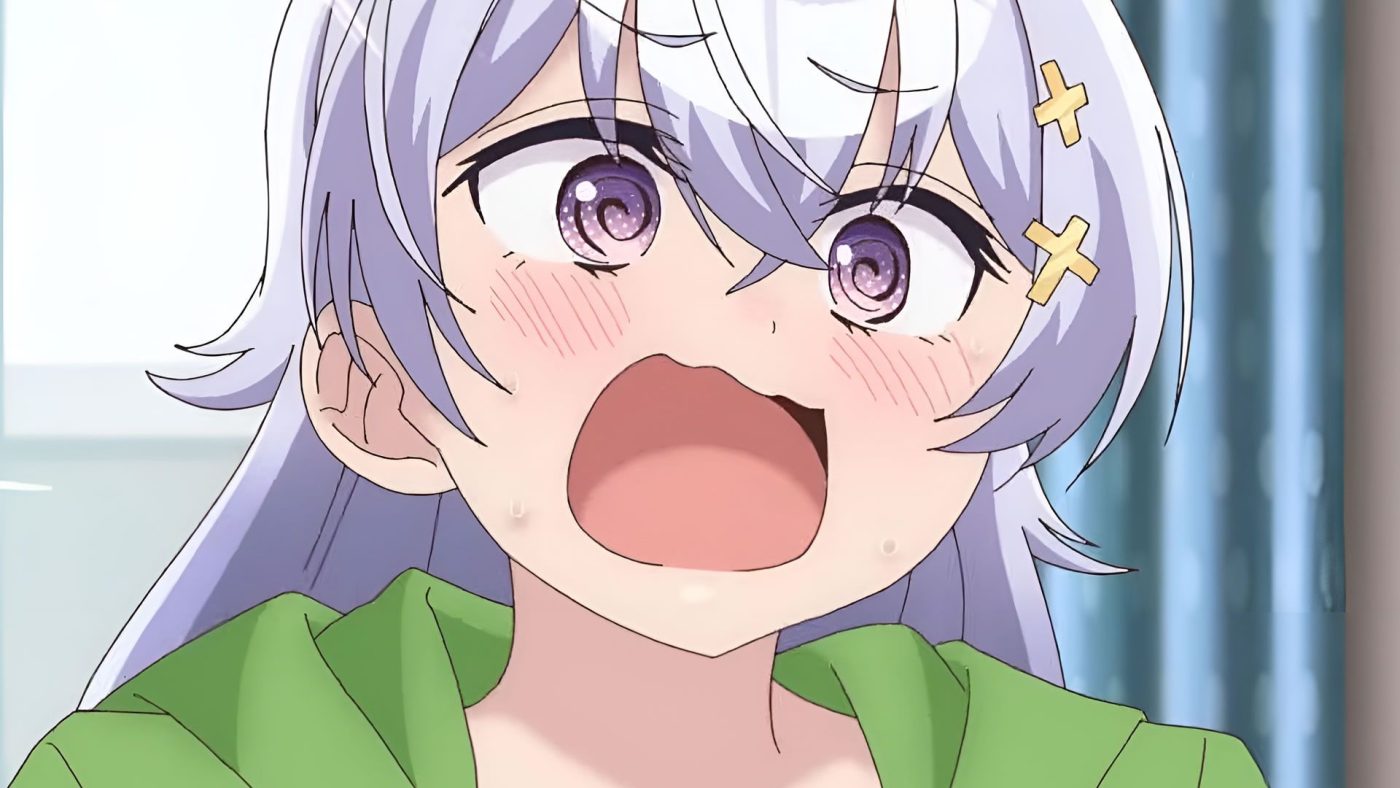

When a frailed, soft-spoken teacher gets mistaken for a cursing terror by her own students, you’re not just looking at another classroom rom-com. You’re watching a masterclass in misdirection unfold.
Yowayowa Sensei will begin broadcasting on Japanese television on across AT-X and Tokyo MX networks. Mid-April sits comfortably within the spring anime season, where romantic comedies have historically found their footing amid heavier competition.
The Music
A fresh promotional trailer dropped, offering our first proper listen to the opening theme, “COMIT COMET,” performed by Daoko. Her distinctive vocal sensibility is becoming increasingly sought after in anime.
- Opening: “COMIT COMET” by Daoko
- Ending: “Yowayowa Tsuyotsuyo Minimini Kowakowa” performed collectively by the main voice actresses
There’s something rather charming about that collaborative approach—it signals a production confident enough to let its cast own a piece of the musical identity.
Production Team
- Animation Studio: Brains Base
- Director: Hiroshi Ishidori
- Scripts/Series Composition: Yoshifumi Fukushima
- Character Design Adaptation: Naoki Aisaka
- Soundtrack: Akifumi Tada
and& Rina Tayama (partnered composition)
That’s a partnered composition arrangement—uncommon enough to suggest creative intent rather than budgetary necessity.
Voice Cast
- Hiyori Hiwamura: Marika Kono (Uma Musume: Pretty Derby)
- Akihito Abikura: Kakeru Hatano (My Hero Academia‘s Hitoshi Shinso)
- Yurie Igoma, Yu Sasahara, Yuko Natsuyoshi, and Mai Nakahara round out the principal cast
Each brings an established portfolio suggesting the production prioritised experience alongside fit.
The Premise
Hiyori Hiwamura, freshly graduated and physically frail, exhausts easily and speaks softly. Her gentle demeanour should invite warmth. Instead, Yet her students have constructed an elaborate mythology: she’s terrifying, capable of cursing anyone foolish enough to provoke her.
The discrepancy between reality and perception is where this story lives.
Akihito Abikura alone perceives her genuine nature, positioning him as both observer and eventual confidant.
Source Material
Kamio Fukuchi’s original manga launched in Kodansha’s Weekly Shonen Magazine in . The seventeenth compiled volume arrives this April—a rapid publication pace indicating healthy reception.
What Makes This Interesting
Every choice—from Daoko’s involvement to the ensemble ending theme—suggests a team that understands tone isn’t accidental. It’s engineered.
Questions Worth Considering
- Why do audiences remain so consistently drawn to stories about perception gaps, where reputation and reality diverge so completely?
- Does the rapid serialization pace suggest anything about contemporary readers’ appetite for gentler comedy?
- What does it say about our own social dynamics that we find catharsis in watching someone misunderstood finally being seen?



Leave a Comment