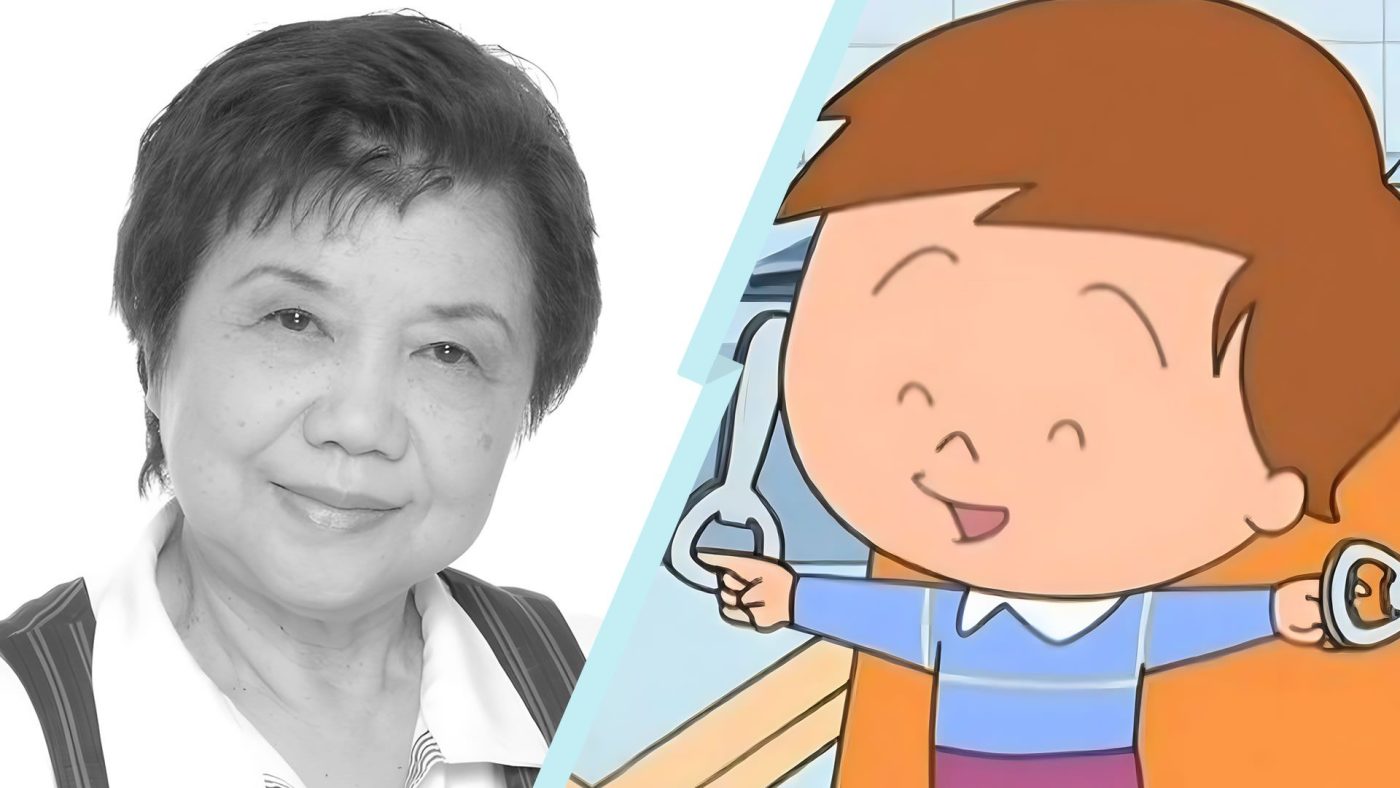

Here's something you don't see anymore.
Haikyo talent agency confirmed this week what many had feared: Reiko Katsura passed on February 22nd. Eighty-nine years. Respiratory failure from aspiration pneumonia. The medical details matter only to the extent that they’re factual. What actually matters is what she leaves behind.
Katsura didn’t shuffle through franchises or chase the next big property. She found her spot and stayed there. Ikura Namino — the boisterous young boy from Sazae-san — was her signature role for 55 uninterrupted years. Let that number settle for a moment.
Same character. Same show. From roughly 1970 through 2025, when she finally stepped away from the role.
That’s not career management. That’s something rarer.
The Math Tells Its Story
- Sazae-san holds the Guinness World Record as the longest-running animated television series in history.
- Katsura voiced one of its central characters for over half a century.
- Children heard her on Sunday evenings, grew up, had their own children who heard the same voice, then grandchildren.
Three generations. One vocal signature.
A Vanishing Continuity
That kind of continuity has vanished from the modern entertainment landscape. Recasting is now routine. Actors move on. Franchises reboot. The industry machine rotates talent like interchangeable parts.
A Different Era
Katsura came from a different era. Born in Fukuoka in 1937, she cut her teeth in theater before joining Haikyo around 1964. Voice acting hadn’t yet become the celebrity-adjacent profession we recognise today. She helped establish what a professional seiyuu could be.
Her resume reads like a walking tour through anime history:
- Omo-chama in Yatterman
- O-Jirō in Shin Obake no Q-Taro
- Sayo-chan in the 1975 classic Ikkyū-san
Western audiences might not know these names, but the Japanese industry certainly does.
A Graceful Exit
The family held a private funeral, away from cameras and press. Entirely their right. The tributes appearing online from colleagues and fans reveal something the statistics cannot: her peers understood they’d lost someone irreplaceable.
There’s a subtle observation worth making here. Katsura retired from her defining role just last year. She stepped aside on her own terms. More than half a century with one character, then a clear-headed exit.
Not pushed. Not replaced. Just recognition that the moment had arrived.
That’s a professional who knew herself.
What Remains Worth Considering
In an industry built on constant reinvention, what are we actually losing when artists no longer stay with a single character for decades? Is the modern entertainment apparatus even capable of nurturing another Katsura — or was she the closing chapter of something we won’t see again?





Leave a Comment