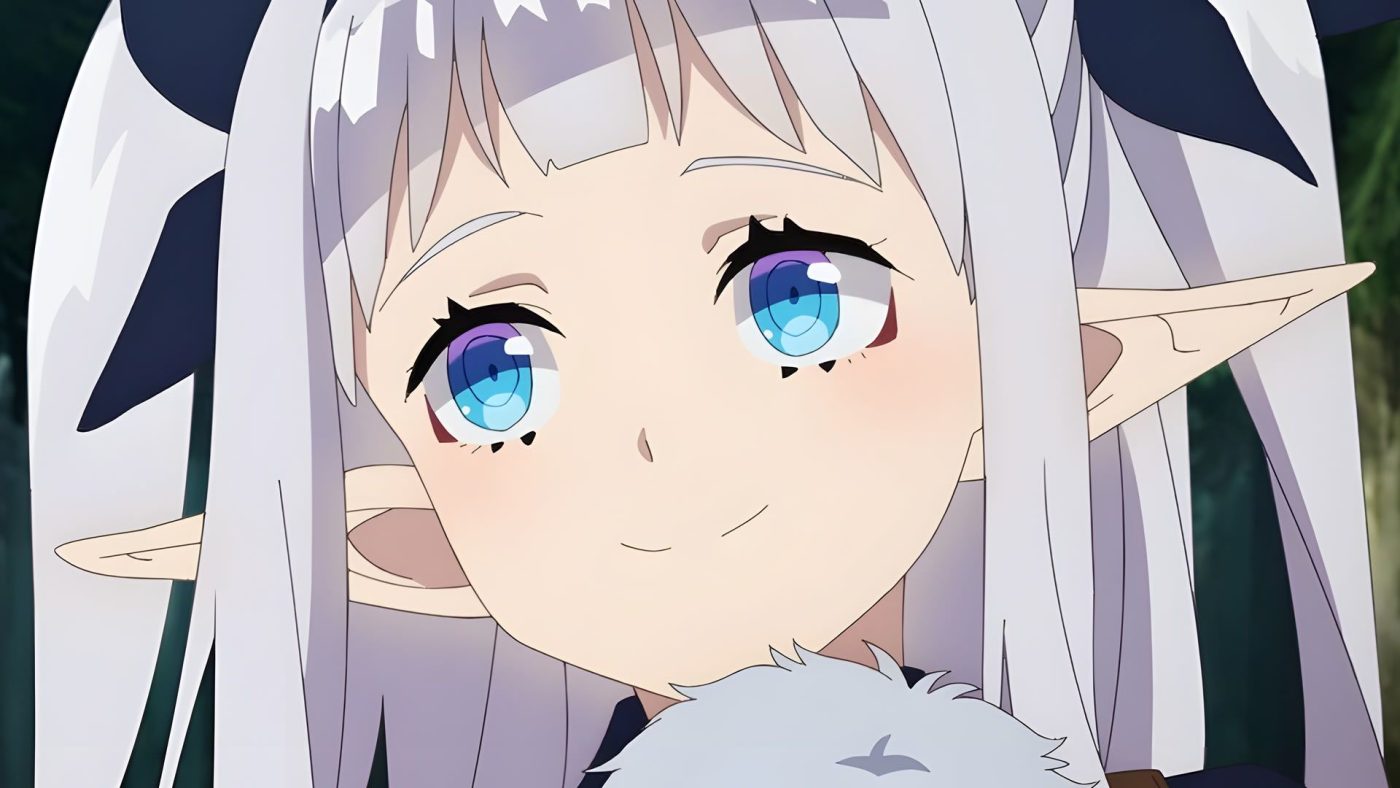

The second season of Farming Life in Another World doesn’t just return—it expands. Studio Zero-G confirmed this week that Hiraku Machio’s agricultural afterlife resumes broadcast in April 2026, unveiling a trailer that doubles as a declaration of intent: more characters, more songs, more community.
The Foundation Holds
Ryoichi Kuraya stays in the director’s chair, but the writing room shifts. Kuraya now supervises and scripts solo, replacing Toko Machida from season one. This concentration of creative control suggests tighter thematic coherence—one vision steering the plow instead of two.
Yoshiko Saito’s character designs and Yasuharu Takanashi’s score remain, preserving visual and sonic continuity. The audience recognizes the farm; they won’t recognize everyone on it.
The New Arrivals
Eight voice actors join the cast, and their character names hint at narrative function rather than mere padding. The seeds of conflict? Possibly. The seeds of expanded community? Definitely.
- Natsu Yorita as Rashashi.
- Misaki Watada as igu.
- Hiyori Kono as Mamu.
- Mariko Higashiuchi as Gruwald.
- Toru Sakurai as Gordon.
- Genta Nakamura as Narf.
- Kana Yuki as Ronana.
- Marie Hatanaka as Junea.
Musically, the trailer deploys a calculated handoff. Shino Shimoji and Aya Suzaki—already inside the world as Luu and Tier—perform the opening “It’s a beautiful story,” grounding the new season in established relationships. Yui Hizuki’s return for closing theme “Sunny Steps” closes the loop with sonic familiarity.
The Visual Thesis
The key visual tells its own story without dialogue. Hiraku stands centered, yes, but the framing emphasizes the settlement radiating outward—buildings, fields, figures in motion. This isn’t a solo farming simulator anymore. It’s infrastructure. Governance. Scale.
The Unasked Question
Kadokawa’s printed volumes have outpaced adaptation by years. The source material sprawls. Yet Kuraya’s script supervision and the deliberate eight-character injection suggest this season knows exactly which arcs it needs—and which it can defer. Precision beats comprehensiveness. The trailer shows crops growing, tools gleaming, new faces arriving. It does not show what happens when a settlement large enough to require governance meets a world that hasn’t finished testing Hiraku’s “all-powerful” blessing.
What happens when the farm becomes too big for one man to tend alone—and the tool that built everything offers no instruction manual for delegation, dispute, or defense?




Leave a Comment